
Why Doesn’t My Button Change Anything When I Click It?
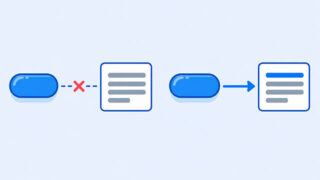
If clicking your button seems to do nothing, check what it is meant to change and whether your HTML and JavaScript point to the same page elements.
If clicking your button seems to do nothing, check what it is meant to change and whether your HTML and JavaScript point to the same page elements.
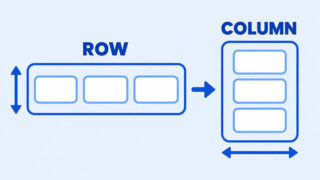
If align-items seems to move items sideways, your Flexbox direction probably changed. Learn how the main and cross axes make the behavior predictable.
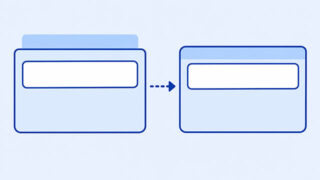
A heading’s margin can seem to move an entire section. Learn what is happening and how to choose between margin and padding.
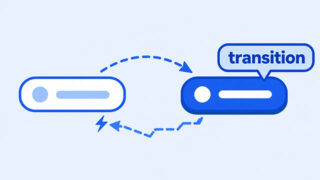
If a hover effect changes smoothly but returns instantly, the transition is probably in the hover rule. See where it belongs and how to check your CSS. Primary keyword: Why does my CSS hover transition snap back?
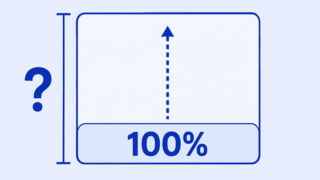
CSS height: 100% often fails because percentage heights depend on the parent having an explicit height. Learn how to diagnose the issue and make full-height elements work reliably with CSS.
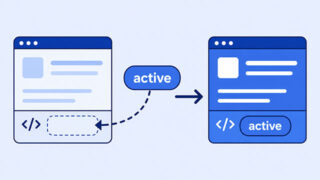
JavaScript can add the right class while the page still looks unchanged. Follow five beginner-friendly checks to find the mismatch between your JavaScript, HTML, and CSS.
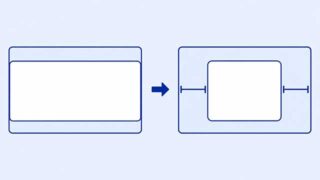
If margin: auto does not visibly center an element, check whether the box has leftover horizontal space and whether it behaves as a block.
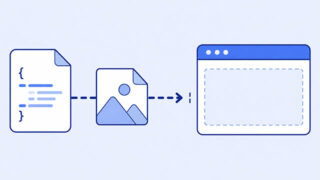
A CSS background can disappear because the browser cannot find the file, the rule misses the element, or the element has no visible space. Work through five beginner-friendly checks to find the cause.
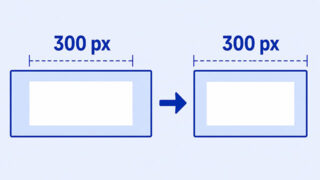
A box can be wider than its CSS width even when the number is correct. This beginner-friendly explanation shows where the extra space comes from and how to fix it.
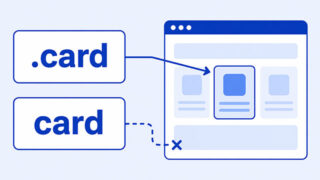
If a CSS selector is not working, the rule may not match your HTML, another rule may be winning, or the property may not create the visible change you expected.
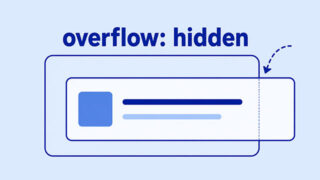
If overflow hidden is not doing what you expected, the problem is usually the box it is applied to, the size of that box, or a related layout rule.
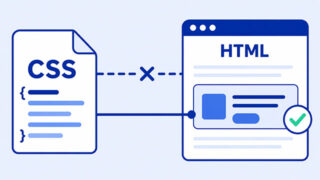
If your CSS is not changing your HTML page, use this beginner-friendly checklist to find whether the file is loading, the selector matches, or another rule is winning.